
Spirit Crossing Multiplayer Co-op, Chat, and Waystations
Spirit Crossing multiplayer is a persistent online co-op system where groups of roughly 2,000 players share realms, build shared settlements called Waystations, and complete group activities. Progression unlocks proximity chat, shared rides, and direct trading as friendships advance.
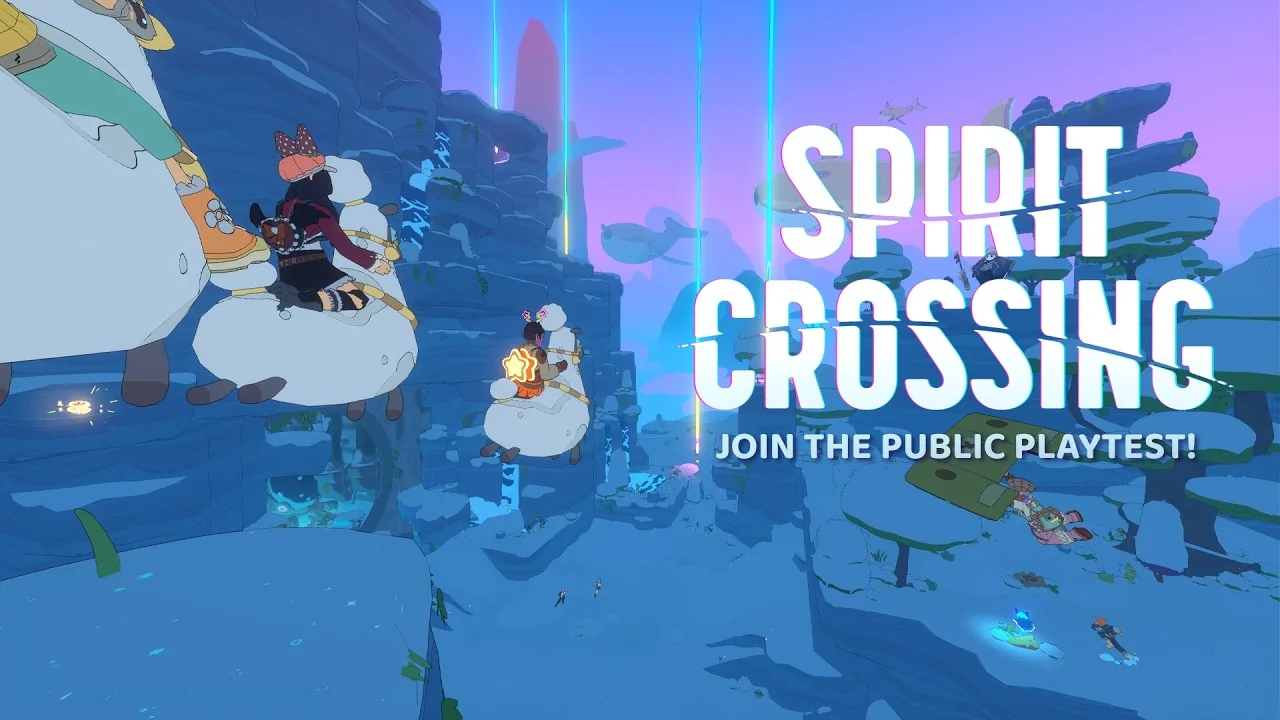
Spirit Crossing multiplayer is a persistent online co-op system where groups of roughly 2,000 players share realms, build shared settlements called Waystations, and complete group activities. Progression unlocks proximity chat, shared rides, and direct trading as friendships advance.
How Does Spirit Crossing Multiplayer Work?
Realms are shared server environments that hold cohorts of around 2,000 players across Entry Lands, the Village Center, and rotating Wilderness islands. Players encounter each other in these shared spaces without private or solo servers. New wanderers appear as silhouettes until two players interact or share an activity, which causes their avatars to display full color.
According to developer Spry Fox on the official support FAQ, the design expands on earlier life-sim foundations:
Cozy Grove and Spirit Crossing have similarities, but Spirit Crossing is a much larger game that blends the pleasant daily rhythm of Cozy Grove with elements of climbing and exploration from games like Breath of the Wild. — Spry Fox FAQ
New players can select matching starting realms to join friends immediately, or coordinate via recruit codes. Progress on mobile and PC remains separate because account saves do not transfer between platforms, as detailed on the Steam store page. Those planning to play together should review crossplay rules before establishing their main characters.
What Social Features Unlock with Friendship?
Friendship progression is a tiered relationship ladder that grants new communication and travel tools as wanderers interact. In-game text from strangers remains unreadable by default, requiring players to communicate through emotes or default prompts until they connect. Reaching Friendship Level 1 unlocks proximity chat, letting nearby companions read typed messages. Reaching Friendship Level 10 unlocks direct messaging across maps.
The 15.2 and 15.3 game updates added auto-meeting mechanics to simplify early communication. Joining a musical session with an instrument or hopping onto the same fluffalo train automatically introduces players, bypassing stranger chat restrictions. Players who prefer solitude can toggle Auto Introduction off in the settings menu or set their Player Mood to Not Feeling Social or Lurking.
Friend Gem offerings let companions advance their relationship level. Players earn up to 50 Friend Gems per day by completing the following activities:
- Logging in daily grants 10 Friend Gems automatically
- Harvesting co-op resource nodes yields 2 gems for small nodes, 3 for medium nodes, and 4 for large nodes
- Participating in Wilderness events yields 2 gems during Yearning for the Mines and Fluffalo Parade, or 4 gems during Dance Parties and Rudi's Boss events
- Gathering standard solo resources grants 1 Friend Gem per harvested node
Which Wilderness Activities Support Co-op?
Wilderness zones are shared expedition islands that reset every three days, introducing fresh resources, wandering spirits, and communal goals. Players gather materials in parallel or assist each other on large resource nodes. Assisting another player on a node after finishing your own daily collection grants Tiny Scrap, which can be recycled for 10 coins each up to a daily limit of 200 scrap.
Fluffalo rides enable groups of wanderers to travel together. Players can learn how to ride fluffalo to tour the map, harvest ground items collectively, or participate in aerial sky fishing directly from cloud banks. When severe weather hits, communal bonfires provide shelter. Understanding how long do storms last allows groups to sit together, charging Rainbow Time buffs at a rate of up to 1 charge every 2.5 seconds with four players present.
How Do Shared Waystations and Starter Plots Function?
Waystations are cooperative villages of approximately 50 members who pool resources to construct community facilities and protect beacons against storms. Each waystation functions as a guild settlement where members vote on construction proposals, place shared amenities like launch pads and vending machines, and complete Waystation Bounties. Players wishing to join another settlement can learn how to change waystation by consulting the NPC Eudora, subject to a one-day transfer cooldown.
Members who attain the Neighbor rank can claim individual Starter Plots in the waystation. Owners retain exclusive control over item placement within their plot boundaries, preventing outside interference while contributing to the settlement. Personal player house interiors offer deeper permissions to control visitor access.
The following table outlines the visitor permissions available for private housing:
| Permission Level | Access and Privileges | Requirements and Limitations |
|---|---|---|
| Tourist | Can enter the house and view decorations | Cannot interact with objects, cannot use proximity chat, and remains hidden from the owner |
| Visitor | Can sit, lie on furniture, and speak via proximity chat | Granted to friends who want to view rooms and socialize without editing privileges |
| Trusted Guest | Can water potted plants, activate crafting benches, and toggle lights | Must be assigned to individual players by the homeowner |
Next step
Player Count
Examine server cohort sizes, waystation group capacities, and concurrent tracker data for Spry Fox's cooperative multiplayer world.
Related Guides
Spirit Crossing Player Count: Server Sizes and Limits; Spirit Crossing reddit Hubs and Community Discussion