
Spirit Crossing Alchemy Station: Crafting and Upgrades
The Spirit Crossing alchemy station is a specialized crafting bench used to transmute lower-tier resources into higher-tier materials. Players can use the public station in the Village Center or purchase one for their Waystation for 1,500 coins.
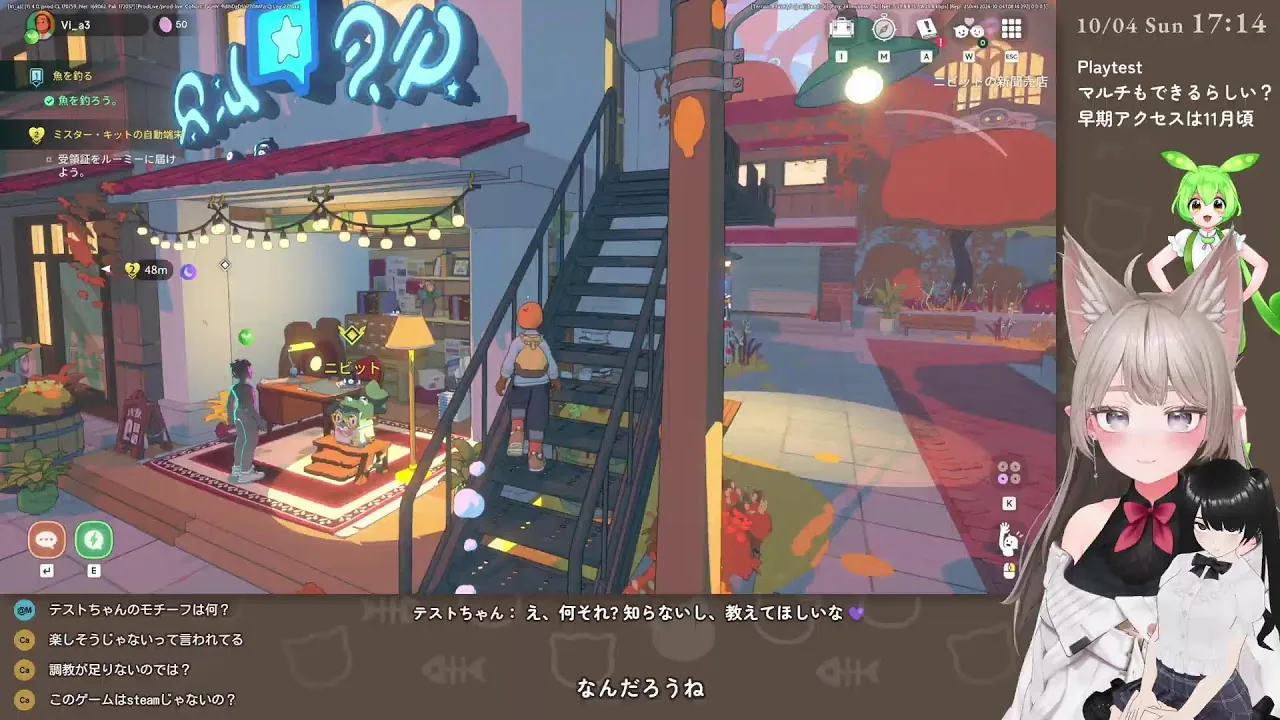
The Spirit Crossing alchemy station is a specialized crafting bench used to transmute lower-tier resources into higher-tier materials. Players can use the public station in the Village Center or purchase one for their Waystation for 1,500 coins.
Where Is the Alchemy Station in Spirit Crossing?
The Village alchemy station is an outdoor workbench situated directly beside the Gift Crafting Workbench near the Fashion House. Developer Spry Fox shifted this workbench away from its original spot inside Joule's Workshop during earlier test versions, placing it outdoors to keep central crafting services grouped together.
"We have moved the Alchemy Table from Joule’s Workshop. It is now located right next to the Gift Crafting Workbench in the Village near the Fashion House." — official Steam announcement for Update 15.3
Wanderers can also place an alchemy station inside a communal Waystation or private house. As detailed on the Spirit Crossing crafting wiki, purchasing an alchemy station from the Waystation vending machine costs 1,500 coins. The bench occupies a 6x6x4 footprint on a building plot. Members can vote to install new formulas on shared stations by contributing a recipe fragment, which drops from recycling unwanted design cards.
How Do You Transmute Resources at the Alchemy Station?
Resource transmutation is the process of combining multiple lower-tier ingredients into a single higher-tier crafting component. Raw materials gathered in the wild enter your bag in Tier 1 form. These basics include iron ore, rough paper, small nuts, small fruit, wood sticks, fiber, matted fluff, and herb sprigs. Foraging on land or while fishing from sky docks provides raw components that fuel these upgrades.
When a construction blueprint calls for Tier 2 materials, you interact with the alchemy bench and combine several Tier 1 items to produce a single Tier 2 version. For example, combining multiple Tier 1 Iron Ores yields a Tier 2 Bronze Ore.
Tier progression operates in specific directions across different stations:
- Increase a material tier by combining items at the alchemy station.
- Decrease a material tier from Tier 2 back to Tier 1 through purification with Maya.
- Transmute edible items like fruit, nuts, and greens through Kasu's Cauldron, which handles dedicated tier-up recipes added in Update 15.3.
In a playthrough breakdown by YouTuber Ruth, she notes that players should avoid upgrading raw stock prematurely. Keeping your inventory in base Tier 1 form until an active project explicitly demands higher grades prevents shortages, because many everyday tasks require raw, unrefined goods.
How Does Crafter Happiness Affect Alchemy Output?
Station happiness is a performance mechanic that increases the probability of receiving extra bonus items during crafting. Crafter happiness displays as floating hearts above the table. While standard benches start with one heart, the alchemy station starts with a baseline of two hearts, representing 20 happiness points.
Surrounding decor influences the bonus chance when items sit within a 10-pip contribution radius:
- The alchemy station responds to decor tagged with Natural or Commerce Boost.
- Decor rarity determines point values, granting one point for common pieces up to five points for legendary pieces.
- Every additional heart above the starting baseline requires 20 accumulated happiness points.
- Decor size does not alter point contributions, and furniture lacking matching tags provides no bonus.
Increasing crafter happiness offers a steady method for players investigating how to make money, as bonus materials reduce total resource consumption over extended crafting runs.
Which Transmutation Station Should You Use?
Choosing where to process materials depends on whether you are crafting alone in town or building up a communal settlement.
| Transmutation Option | Best For | Requirements |
|---|---|---|
| Village Alchemy Table | Processing basic ores and wild drops without spending coins | Travel to the Village Center near the Fashion House |
| Waystation Alchemy Station | Communal crafting with bonus yields from nearby furniture | 1,500 Coins and a 6x6x4 open footprint |
| Kasu's Cauldron | Tier-up recipes for harvested fruit, nuts, and greens | Ingredient gathering and access to the spirit spa |
Players can verify hardware requirements and development milestones on the Steam store page while preparing materials for future village builds.
Next step
Black Pigment
Locate Pascal Palmier in the wilderness to purchase black pigment for crafting custom furniture dyes and recoloring your house walls.
Related Guides
Spirit Crossing Black Pigment: Where to Find and Buy It; Spirit Crossing Fertilizer: How to Get and Use It; Spirit Crossing White Pigment: Sourcing and Recipes
Black Pigment
Locate Pascal Palmier in the wilderness to purchase black pigment for crafting custom furniture dyes and recoloring your house walls.
Fertilizer Guide
Find out how to get fertilizer in Spirit Crossing by recycling extra seeds and purchasing stock from Roomie's shop.
White Pigment
Purify white flowers to collect white pigment, craft custom dyes, and tint furniture, wallpapers, and character hairstyles across the Crosslands.